Flexibility
Potential Cost Savings
Backups to Avoid Downtime
Wider Variety of technology
Keep Sensitive Data on-premise
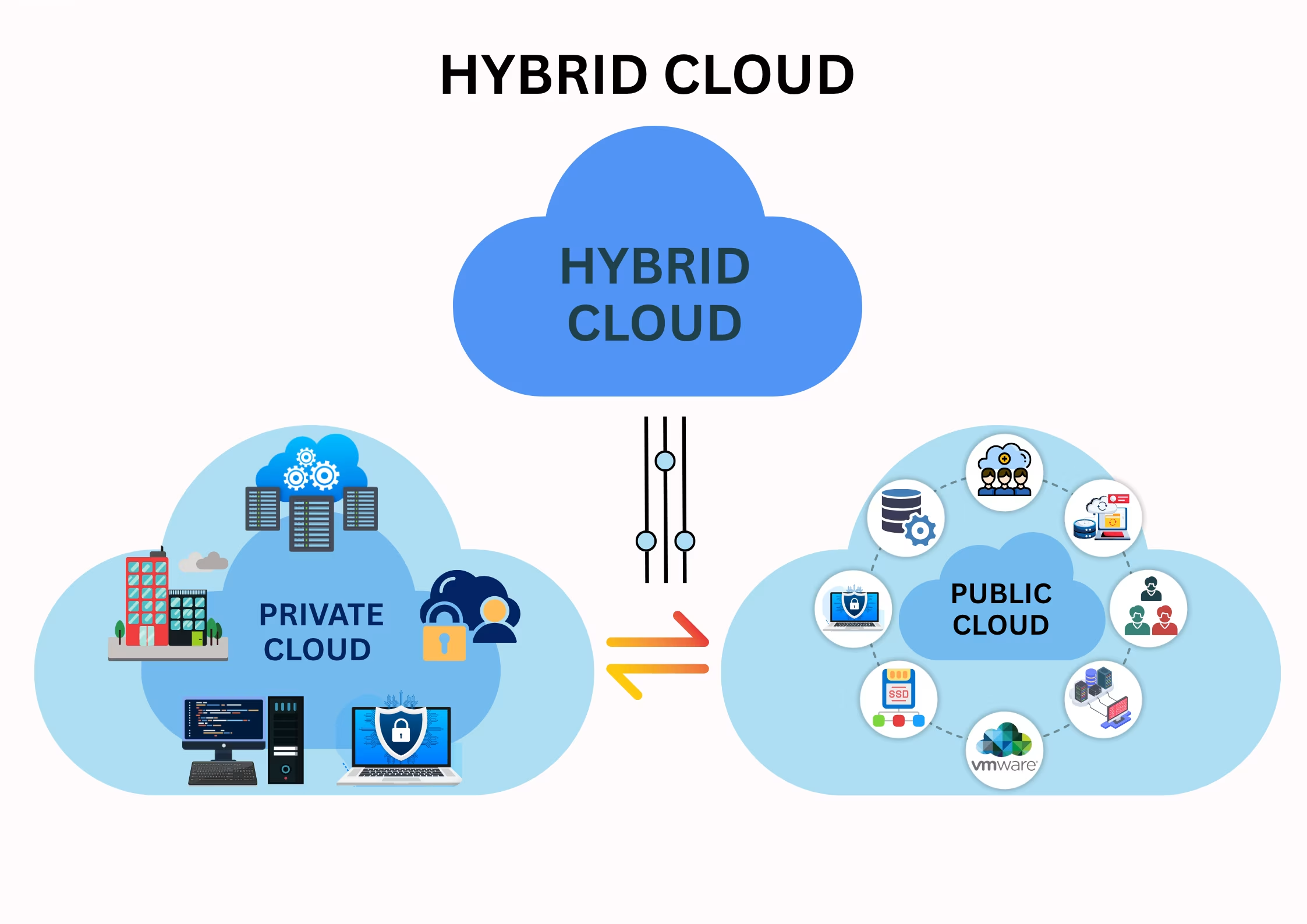
Hybrid cloud computing enables enterprises to maximize efficiency by combining the strengths of both private and public cloud environments. Sensitive workloads can be securely hosted in a private, on-premises cloud, while less critical resources leverage the scalability and cost-efficiency of public cloud platforms. It also allows seamless integration with external SaaS and PaaS providers, ensuring smooth interoperability. This flexible model delivers the best of both worlds—enhanced security, greater control, and scalable performance—adapted to meet evolving business demands.
Flexibility
Businesses often manage diverse data across multiple environments, requiring adaptable infrastructure. A hybrid cloud setup allows companies to integrate traditional systems with modern cloud technologies—without locking into a single vendor. This approach ensures greater agility and the freedom to evolve as business needs change.
Cost Management
Private clouds require organizations to own and maintain their data center infrastructure, resulting in significant capital expenditures and ongoing fixed costs. In contrast, public cloud services follow a pay-as-you-go model, with resources billed as variable operational expenses. This flexibility enables businesses to better control, allocate, and optimize their IT spending.
Agility and Scalability
A hybrid cloud provides greater flexibility by combining on-premises infrastructure with the resource-rich environment of a public cloud. This setup makes it easier to quickly provision, deploy, and scale resources to handle demand spikes—ensuring your operations stay responsive and efficient.
Resiliency and Interoperability
Hybrid cloud allows businesses to run workloads redundantly across private and public environments, enhancing reliability and ensuring high availability. It also enables seamless interoperability, allowing components of a single workload to operate across both environments while sharing common data sources—delivering consistent performance, smooth integration, and improved fault tolerance.
.avif)
APIs (Application Programming Interfaces)
APIs enable seamless communication and data exchange between applications and services across private and public cloud environments. They are essential for smooth, integrated operations in hybrid cloud infrastructures.
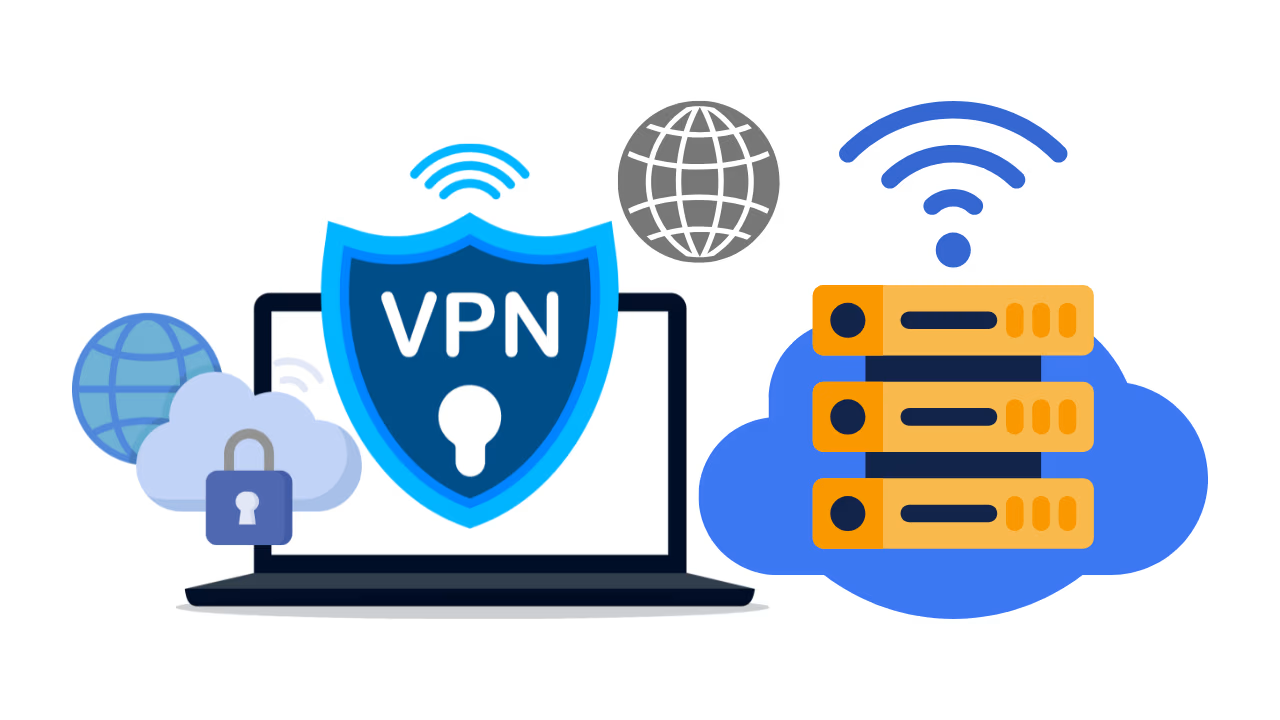
VPNs (Virtual Private Networks)
VPNs establish secure, encrypted tunnels that protect sensitive data as it travels between private and public cloud environments. This safeguards confidentiality, prevents unauthorized access, and ensures data integrity during transit.
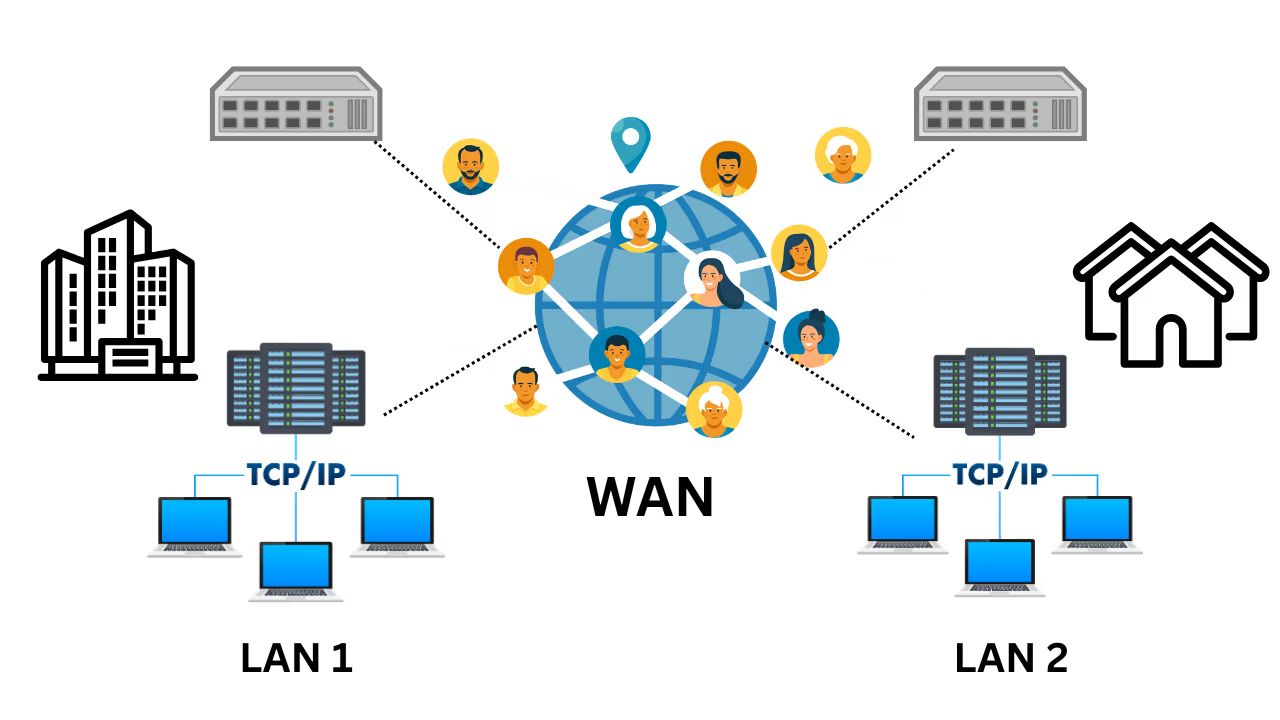
WANs (Wide Area Networks)
In a hybrid cloud environment, WANs (Wide Area Networks) connect private cloud infrastructure with public cloud services across geographically dispersed locations. They enable reliable, high-speed communication and data transfer between environments, ensuring seamless integration and performance.
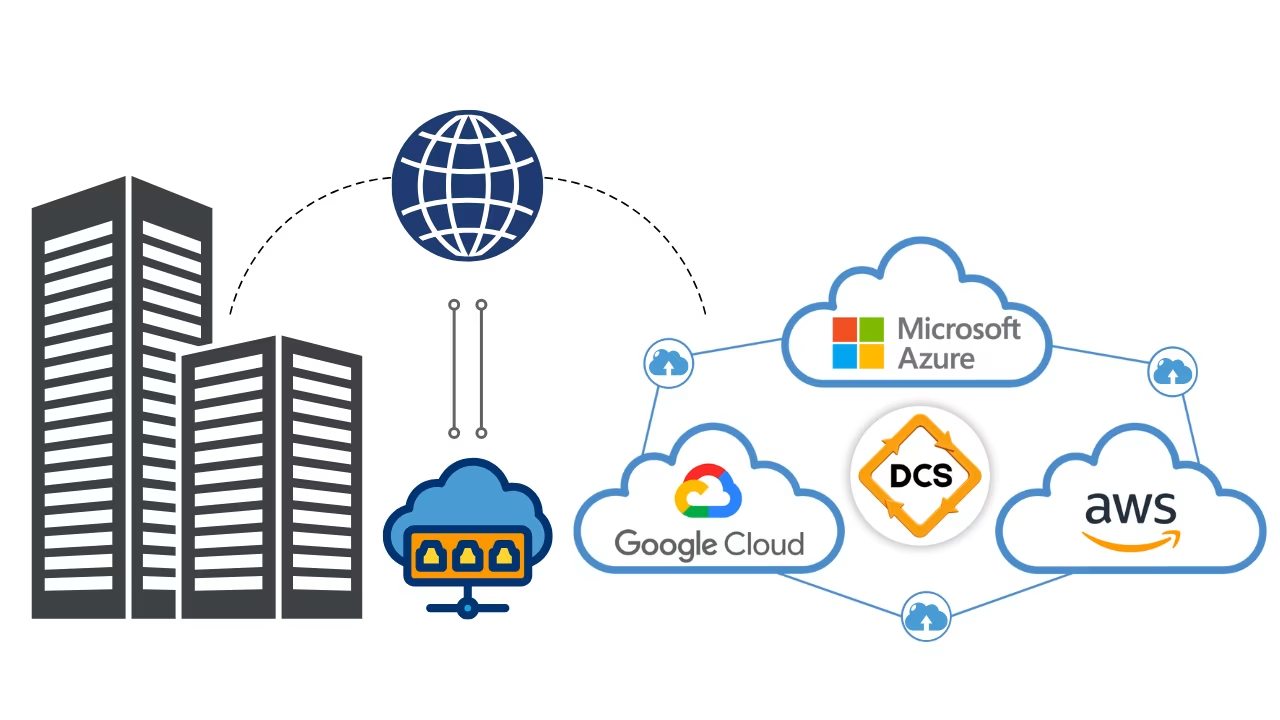
Dedicated Interconnects or Direct Connections
These private, high-bandwidth links connect on-premises infrastructure directly to the cloud provider’s network. They offer enhanced security, lower latency, and more reliable communication compared to standard internet-based connections—ideal for mission-critical workloads.
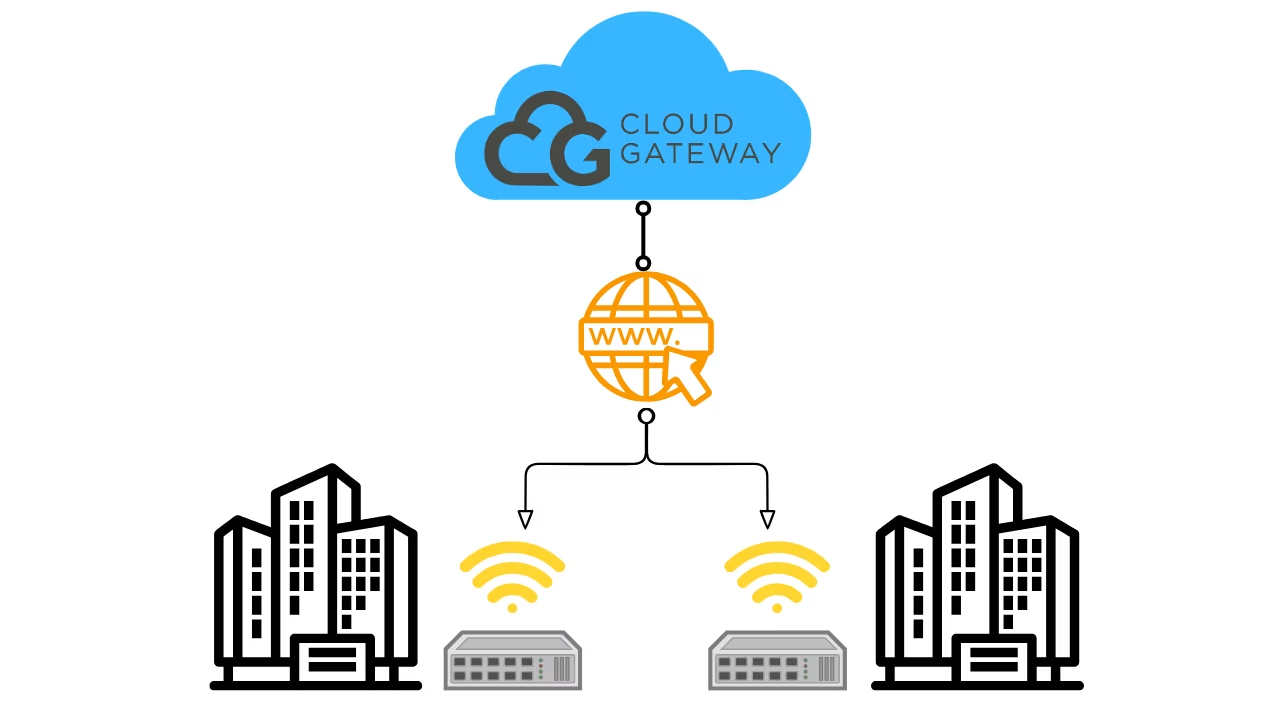
Cloud Gateway Services
Cloud gateways act as intermediaries that facilitate secure and efficient data exchange between private and public cloud environments. They ensure seamless integration, allowing applications across both clouds to communicate and operate cohesively.
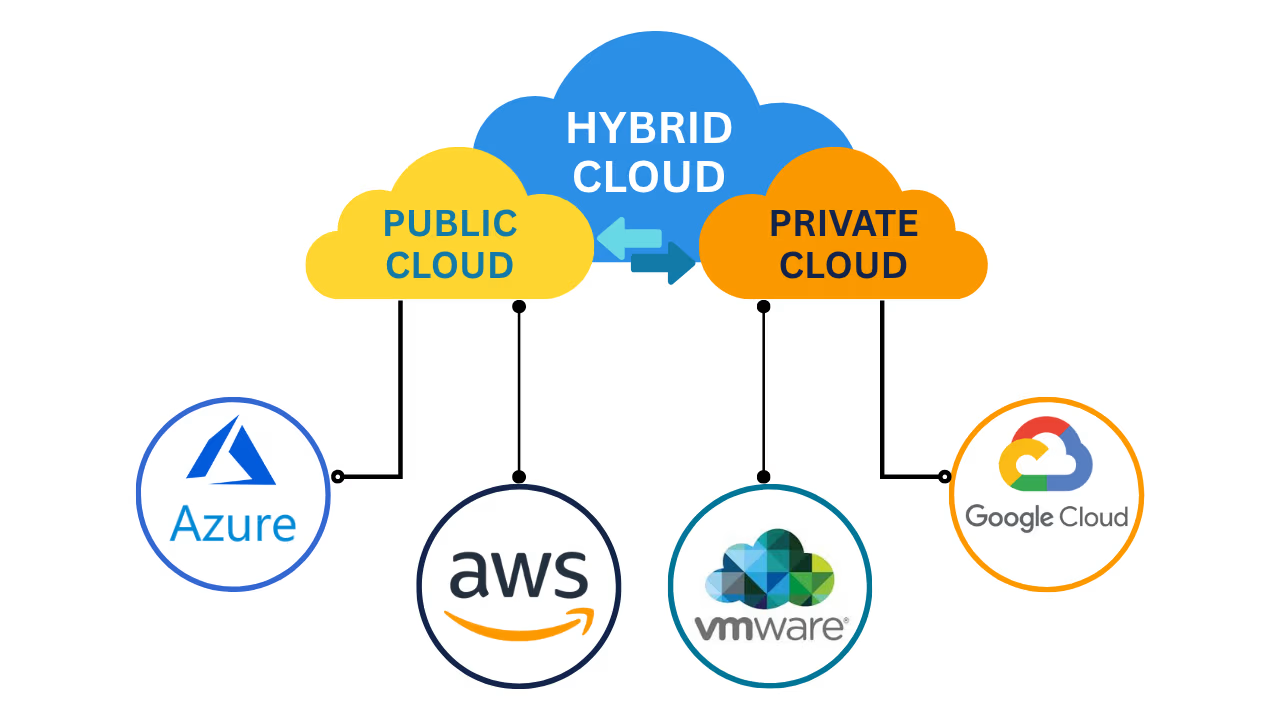
Hybrid Cloud Management Tools
Hybrid cloud management tools provide orchestration, monitoring, and automation to streamline operations across both private and public cloud environments. They facilitate seamless communication, efficient resource sharing, and intelligent load balancing, ensuring unified control, visibility, and optimized performance across your entire hybrid infrastructure.
Digital Transformation
Many organizations strive to modernize their IT infrastructure by adopting public cloud services. However, legacy applications, regulatory constraints, or compliance requirements may limit a full migration away from private data centers. A hybrid cloud approach delivers the flexibility to innovate while preserving critical on-premises systems.
Application Migration
Hybrid cloud environments provide secure, reliable landing zones for application migration. They enable businesses to select the most suitable cloud environment for each workload while simplifying code maintenance, updates, and cross-platform compatibility.
Backup and Disaster Recovery
Hybrid cloud solutions allow organizations to replicate on-premises workloads and back up critical data in the cloud—improving resilience and ensuring business continuity. With proper planning and execution, they help avoid common hybrid cloud backup pitfalls and deliver dependable recovery when it matters most.

Simple and effortless management — our web hosting plans come with an easy-to-use control panel that lets you manage your website, emails, databases, and more with ease.
' This service exceeded my expectations! Highly recommended.'

Rahul Kundan
CEO Eminent IT
'Absolutely fantastic! Will use again.'

Executive Er. PWD
'Top-notch service and support!'

Sandeep Kumar IAS
Director TCP
'Hiring DigiClouds for co-location Services at CtrlS data Centre is a wonderfull experiences, our bank utilized CtrlS co-location services as DR without any failure during our operations in the past.'

Hans Raj Sharma
Former DGM IT, KCC Bank
'Exceptionally good service, used for the last 5 years.'

Rahul